24 November 2026
Can Adults Benefit From Invisalign Calabasas CA? Absolutely
Presented by @messiahnorl151
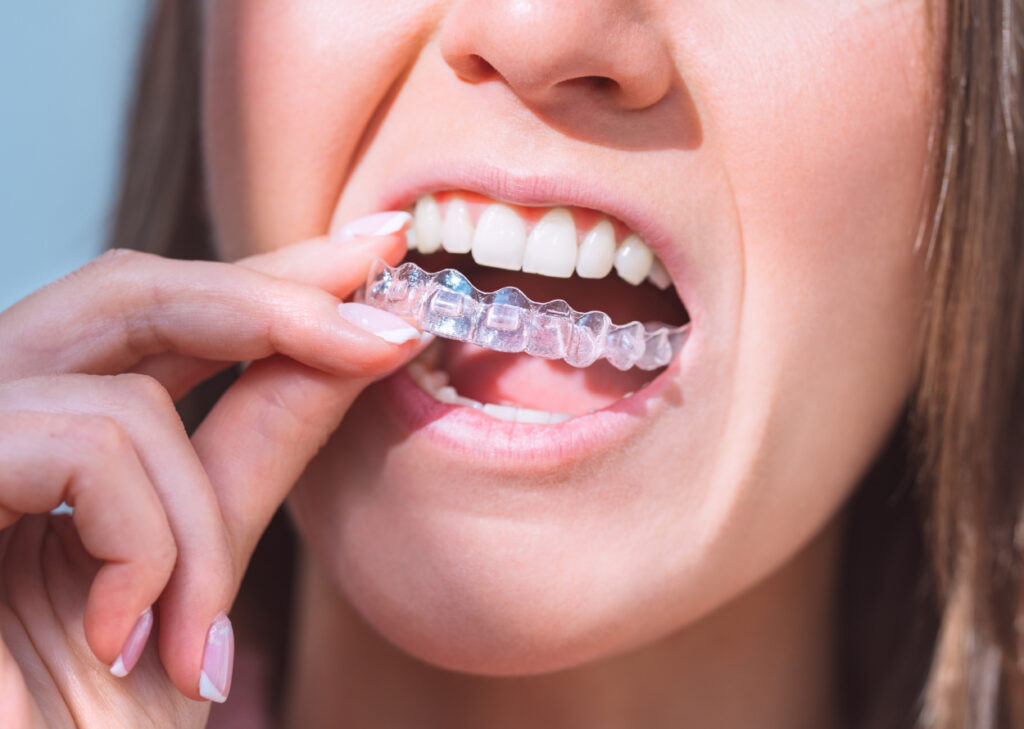
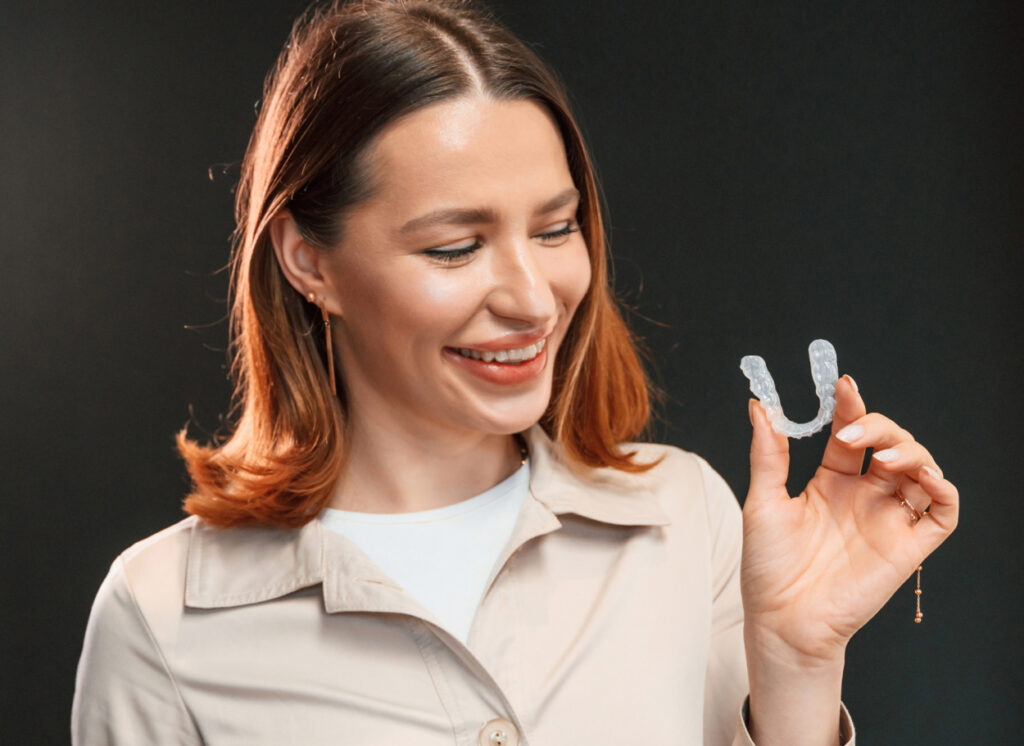
Adults ask a different set of questions about orthodontic treatment than teenagers do. They are not usually focused on school photos, prom, or what their friends are wearing on their teeth. They want to know whether treatment will disrupt work, whether it will be obvious in meetings, whether it is worth the cost, and whether straightening teeth in their thirties, forties, fifties, or beyond still makes practical sense.
The short answer is yes. Adults can benefit from Invisalign in very real, measurable ways, and those benefits go well beyond cosmetics. Straighter teeth can make brushing and flossing easier. Bite correction can reduce uneven wear. Small orthodontic improvements can sometimes prevent larger restorative problems later. And for many adults, the emotional benefit matters too. They smile more freely when they stop thinking about the one tooth that has bothered them for years.
That is why interest in Invisalign Calabasas CA has remained strong among working professionals, parents, business owners, performers, and retirees alike. Adult patients are often balancing appearance, convenience, and long term dental health at the same time. Clear aligners fit that reality better than many people expect.
Adults usually come in later than they wanted to
A pattern shows up often in orthodontic consultations with adults. Someone has thought about fixing their teeth for years, sometimes for decades, and kept putting it off. Life was busy. The timing never felt right. Traditional braces did not appeal to them. Or they assumed their case was too minor to justify treatment and too old to bother with.
Then something shifts.
For some, it is a photo. For others, it is a cracked filling on a tooth that has been taking too much force because of the bite. Sometimes a general dentist points out recession, crowding, or wear that is becoming harder to manage. A Invisalign Calabasas CA patient may say, “My teeth looked fine when I was younger, but they have started to overlap in the front.” That is common. Teeth can drift with age, especially after earlier orthodontic treatment if retainers were not worn consistently over the years.
Adults are often surprised to learn that the issue bothering them is not purely cosmetic. Lower front crowding, for example, is one of the most common complaints in adult patients. It can look small in the mirror, but that overlap creates plaque traps and makes flossing more awkward. If the bite is off, a seemingly minor alignment problem can also contribute to chipping, flattening, or stress on certain teeth.
Invisalign is not just about appearance
The marketing around Invisalign tends to emphasize discreet treatment, and that is understandable. Most adults appreciate that clear aligners are far less noticeable than brackets and wires. But appearance is only one piece of the value.
Orthodontic alignment affects function. When teeth are crowded or rotated, cleaning them becomes harder. When the bite is imbalanced, certain teeth absorb forces they were never meant to handle alone. Over time, that can mean excessive wear, fractures, gum irritation, and restorations that do not last as long as they should.
A well planned Invisalign case can help with:
- mild to moderate crowding that traps plaque and complicates hygiene
- spacing that affects function or appearance
- relapse after braces from years earlier
- certain bite issues, including some cases of overbite, crossbite, and minor open bite concerns
- pre restorative alignment, when teeth need better positioning before veneers, implants, or other dental work
That list comes with an important caveat. Not every adult case is a good fit for Invisalign alone. Some movements are more complex. Some bites need a different orthodontic approach. And some patients have underlying gum disease or restorative issues that should be stabilized before any tooth movement begins. A responsible provider will say so plainly.
Why adults in Calabasas often prefer clear aligners
Lifestyle matters. In a community where many adults spend their days in client meetings, creative industries, healthcare settings, legal offices, hospitality, or public facing roles, discretion carries weight. People want treatment that works without becoming the first thing others notice.
This is where Invisalign Calabasas CA tends to appeal strongly. The aligners are removable, which means adults can take them out for meals, special events, and important presentations. They do not have to navigate food restrictions the way they would with fixed braces. There are no brackets to catch lipstick, no wires that can poke after an adjustment, and generally fewer emergency visits for broken hardware.
That said, removable treatment only works well when the patient is disciplined. Clear aligners are convenient, but they are not passive. If they sit in the case most of the day, the teeth will not move as planned. Adults who do best with Invisalign are usually the ones who can commit to wearing aligners the recommended number of hours each day, often around 20 to 22 hours depending on the plan.
That is a trade off worth stating clearly. Convenience and discretion are earned through compliance.
The age question matters less than the condition of the teeth and gums
One of the most persistent myths in dentistry is that there is a window for straightening teeth and once it closes, treatment is no longer worthwhile. That is simply not how orthodontics works. Teeth can move in healthy bone at many adult ages.
What matters more is the condition of the mouth.
If an adult patient has healthy gums, manageable bone support, and teeth that are stable enough to move, age itself is rarely the barrier. A 52 year old with excellent periodontal health may be a better candidate than a 27 year old with untreated gum disease and significant inflammation. This is why a proper evaluation matters. Orthodontic movement in the presence of active periodontal disease can make problems worse, not better.
Adults also tend to have more dental history than teenagers. Crowns, bridges, implants, worn teeth, recession, missing teeth, old fillings, and bite shifts all influence treatment planning. An implant, for example, does not move like a natural tooth. That can be managed, but it changes the strategy. The same is true when someone has had veneers placed years earlier or has one front crown that must be matched aesthetically during treatment.
In experienced hands, these are not automatic deal breakers. They are planning issues. Adults need careful sequencing and realistic expectations, not blanket reassurance.
What Invisalign can realistically fix for adults
One reason adult patients hesitate is that they assume their concerns are either too small to justify treatment or too complex for aligners. The truth usually sits in the middle.
Many adult cases respond very well to Invisalign, especially when the goals are clearly defined. A patient may want to uncrowd the lower front teeth, level a tilted smile, close a small space, or reduce the appearance of protrusion. Others need broader bite correction because the teeth are striking unevenly or because a general dentist has noticed functional wear.
Modern aligner treatment can handle far more than tiny cosmetic adjustments, but the word “realistically” matters. Teeth do not move on a computer screen exactly the way they do in the mouth. Biology always has a vote. Some movements track beautifully. Others need refinement. Attachments, elastics, interproximal reduction, or mid course changes may be part of the plan.
That does not mean the treatment failed. It means the provider is managing a living system, not dragging icons around a digital model.
Adults tend to appreciate honesty here. If your case is likely to need refinements, that should be discussed up front. If a small amount of enamel shaping between certain teeth will create room and improve alignment, that should be explained. If your bite can improve significantly but not perfectly because of the underlying jaw relationship, that belongs in the conversation too.
The practical upside adults notice first
Patients often start treatment for one reason and finish feeling grateful for another.
Someone may begin Invisalign because they dislike one crooked tooth in photos. Halfway through treatment, they realize floss no longer shreds between crowded contacts. Another person may have expected cosmetic change and end up most appreciative that their front teeth no longer chip because the bite has been redistributed. A patient who clenches may still need a night guard later, but with better alignment that guard can fit and function more predictably.
There is also the simple psychological relief of not thinking about your teeth every time you speak or smile. That benefit is hard to quantify, but it is real. Adults can carry a surprising amount of self consciousness about a smile concern they consider minor. When that concern is corrected, they often seem more at ease, not just more polished.
What treatment actually feels like
Adults usually tolerate Invisalign well, but “comfortable” should not be confused with “you feel nothing.” Each new aligner can create a day or two of pressure, tightness, or dull soreness. That is normal. It is a sign that controlled force is being applied. Most people describe it as manageable rather than painful.
Speech may feel slightly different for the first few days, especially with certain sounds. Most adults adapt quickly. Dry mouth can happen. So can the temptation to snack less often because removing and cleaning aligners feels like a chore. Some people consider that an unexpected benefit.
Attachments deserve mention because many adults are not expecting them. These are small tooth colored shapes bonded to certain teeth to help the aligners grip and move them more effectively. They are much less noticeable than braces, but they are not invisible. Depending on the case, they can make trays feel snugger and can alter the look of the teeth slightly during treatment. Patients should know this before they start, not after the first tray is seated.
The discipline factor is real
Orthodontists and dentists who provide aligner treatment see the same pattern repeatedly. Adults love the flexibility of removable appliances, but that same flexibility can undermine results if wear time slips.
A useful way to think about Invisalign is that it is a precision treatment that depends on daily habits. Remove the aligners for meals, coffee if you prefer, and brushing. Put them back in promptly. Keep them clean. Change them on schedule if instructed. Show up for monitoring visits. Wear retainers after treatment ends.
The adults who struggle most are rarely those with the most complex tooth movement. They are often the ones whose routines are chaotic enough that the trays spend too much time out of the mouth. Frequent dining, long social events, travel, and constant sipping of staining drinks can interfere with consistency.
Before starting, it helps to ask yourself a blunt question: will I actually wear these as directed when no one is watching? If the answer is yes, Invisalign can be an excellent choice. If the answer is probably not, another option may serve you better.
Cost, value, and what adults are really paying for
Price comes up early in most adult consultations, and reasonably so. Orthodontic treatment is an investment, not an impulse purchase. Costs vary based on case complexity, treatment length, provider experience, geography, and what is included in the fee, such as refinements or retainers.
Adults benefit from framing the decision in terms of value, not just price. You are not paying only for a series of plastic trays. You are paying for diagnosis, treatment design, biological judgment, monitoring, refinements, retention planning, and the experience to know when the teeth are not tracking as expected. The aligners are the tool. The outcome depends heavily on the planning behind them.
That is especially important in adult cases involving prior dental work, bite wear, recession, or periodontal history. Cheap treatment can become expensive if the result is unstable, incomplete, or poorly coordinated with the rest of the mouth.
For some adults, the value proposition becomes clearer when they compare Invisalign to the cost of repeatedly repairing chips, replacing worn restorations, or avoiding necessary treatment for another five years while crowding worsens.
Not every adult is a candidate right now, and that is okay
A thoughtful consultation does not end with everyone being handed trays. Sometimes the most appropriate answer is “not yet.”
An adult may need a dental cleaning and gum therapy first because swollen gums change the way teeth fit together and can compromise treatment. Another patient may need a cavity addressed, an old crown evaluated, or a cracked tooth stabilized. Some patients need a conversation with both the restorative dentist and the orthodontic provider because the case intersects with veneers, implants, or planned cosmetic work.
This kind of coordination is a strength, not an inconvenience. It means the provider is treating the whole situation rather than chasing a quick cosmetic result.
There are also adults whose concerns are so minor that treatment is optional in the truest sense. If the bite is stable, hygiene is good, and the issue is a tiny rotation only the patient notices, it is reasonable to discuss whether the likely benefit justifies the time and cost. Good clinicians do not oversell. They help patients make proportionate decisions.
What to ask at a consultation
Adults tend to get more from an orthodontic consultation when they move beyond “How long will it take?” and ask a few sharper questions. Useful questions include whether the treatment goal is mainly cosmetic or also functional, whether attachments or elastics will likely be needed, how refinements are handled, and what the retention plan will be after active treatment ends.
It also helps to ask what limitations exist in your specific case. If you have an implant, crowns, recession, grinding habits, or a history of relapse after braces, bring that up early. The quality of the answers often tells you as much as the treatment proposal itself.
A strong consultation leaves you understanding not just the ideal outcome, but the boundaries of what is possible.
Retainers are not optional maintenance
One of the least glamorous truths in orthodontics is also one of the most important. Teeth remember where they came from. After treatment, they need retention.
Adults sometimes seek Invisalign because their teeth shifted after braces years ago. In many of those cases, the original treatment did not fail. Retention failed, Invisalign Calabasas CA or it ended too soon. Lifelong does not necessarily mean burdensome, but it does mean ongoing. Most adults will wear retainers nightly for the long term if they want to preserve the result.
This should not discourage anyone. It should simply be part of informed consent. Straightening teeth without planning for retention is like renovating a room and refusing to maintain it.
Why the adult experience can be especially rewarding
There is something distinct about orthodontic treatment in adulthood. Teenagers are often brought in by parents. Adults choose it for themselves. They notice details. They understand trade offs. They tend to be more invested in the process because the motivation is internal.
That often makes the outcome more meaningful. The patient who waited twenty years to address front crowding is not just getting straighter teeth. They are finally resolving a problem they have mentally carried through weddings, job interviews, family photos, and daily conversations. The improvement lands differently when it comes after a long period of hesitation.
That is one reason the answer to the original question is so clear. Adults can absolutely benefit from Invisalign, often in ways that are both visible and functional. For the right candidate, clear aligner therapy can fit an adult schedule, protect dental health, improve bite harmony, and restore confidence without demanding the look of traditional braces.
If you are considering Invisalign Calabasas CA, the real decision is not whether adults are “too old” for treatment. They are not. The real decision is whether your goals, habits, and oral health make this the right time and the right method. When those pieces line up, the benefits can be substantial, and they often last far longer than the treatment itself.
Oaks Dental
5000 Parkway Calabasas, Suite 308
Calabasas, CA 91302
(818) 643-6521
FAQ About Invisalign Calabasas CA
How many hours a day should I wear Invisalign?
Clear aligners are typically worn for 20 to 22 hours a day. Follow your dentist’s instructions for your specific treatment plan.
What age is best for Invisalign?
Many teens and adults can use clear aligners. A dentist can assess dental development, oral health, and the type of tooth movement needed.
What affects the cost of Invisalign in California?
Cost depends on the complexity and length of treatment and what the quoted plan includes. Ask for an itemized estimate and check any orthodontic coverage with your insurer.