28 October 2026
Can Dental Implants Be Replaced or Repaired?
Presented by @messiahnorl151

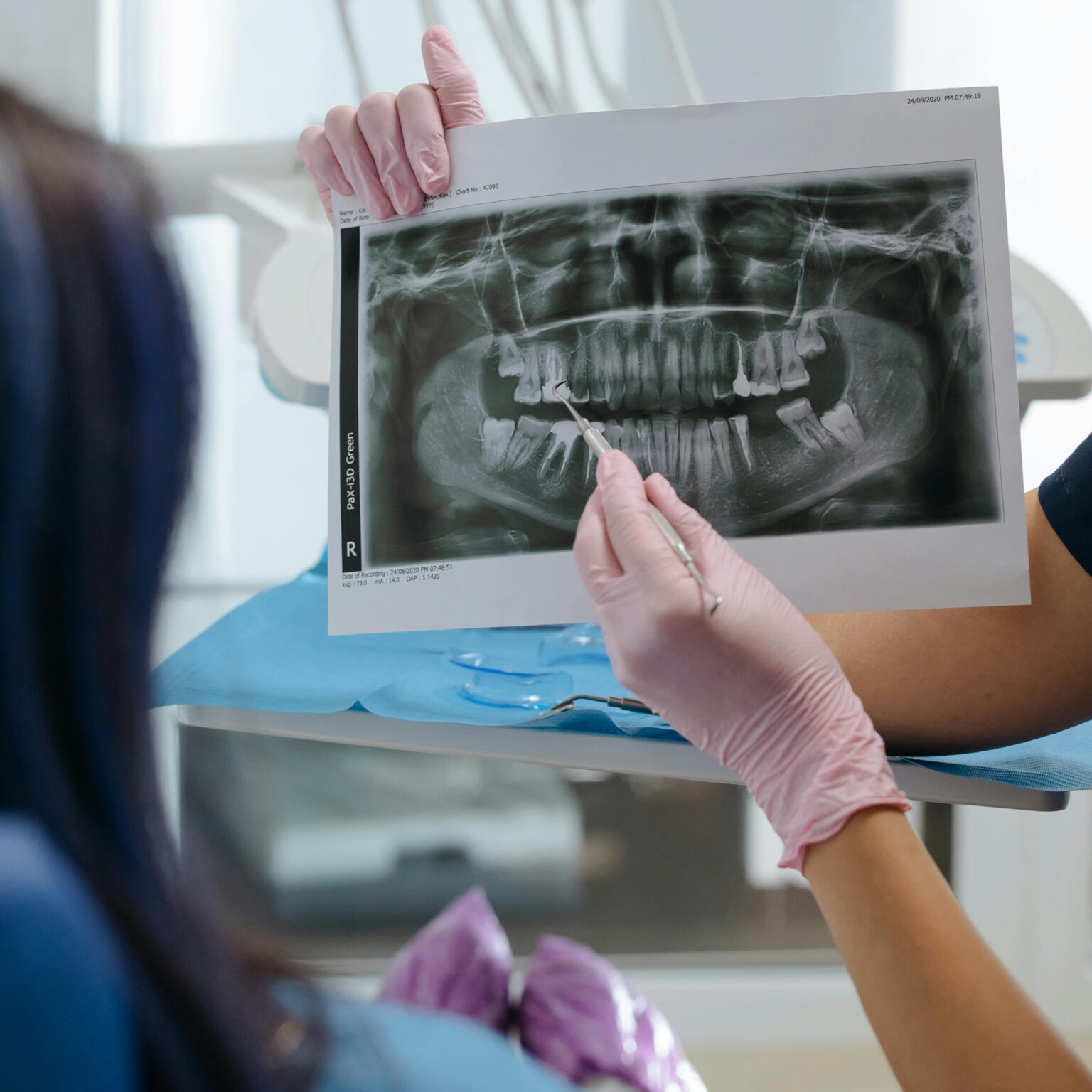
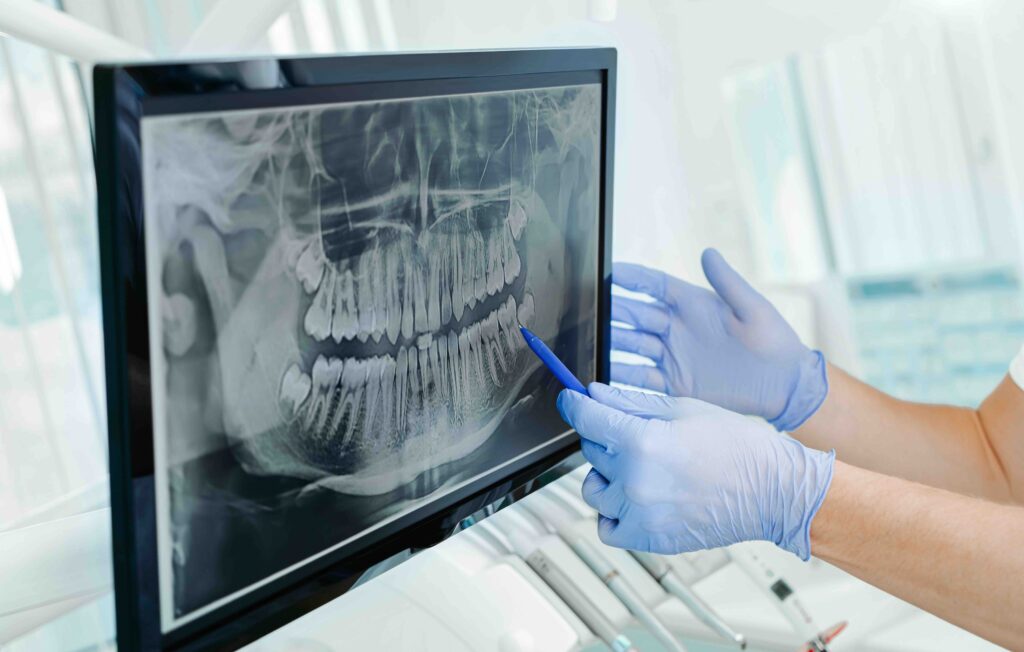
Dental implants are often described as a long-term solution for missing teeth, and that description is fair. They are durable, stable, and, when planned and maintained properly, capable of lasting many years. Still, long-term does not mean permanent in every case. Parts can loosen. Crowns can chip. Bone and gum tissue can change over time. A well-functioning implant today may need some form of repair, adjustment, or even replacement later.
That raises a question patients ask all the time, usually with some anxiety behind it: if something goes wrong with a dental implant, can it be fixed, or does the whole thing have to come out?
The honest answer is that it depends on which part has failed, why it failed, and how early the problem is caught. In many cases, an implant restoration can be repaired without touching the implant in the bone. In other situations, the implant itself is compromised and replacement becomes the safer option. The distinction matters, because people often use the phrase “my implant failed” when they really mean a crown came loose, a screw fractured, or the gum around the implant became irritated.
Understanding how dental implants are built helps clarify what can and cannot be repaired.
The implant is not just one piece
When patients picture a dental implant, they usually imagine a single unit. Clinically, it is more useful to think of it as a system with separate components. The implant fixture is the titanium or zirconia post placed in the jawbone. Attached to that is an abutment, which connects the implant to the visible restoration. The restoration may be a crown, bridge, or denture, depending on the case.
That distinction matters because each part has its own failure patterns. A porcelain crown may chip while the implant beneath it remains completely healthy. An abutment screw may loosen because of bite forces, while the surrounding bone stays stable. On the other hand, the implant fixture itself may lose bone support because of infection or overload, and that changes the conversation entirely.
When someone asks whether dental implants can be repaired, the most accurate reply is often: some parts can, some parts cannot, and some parts can be replaced more easily than people expect.
Problems that are often repairable
A surprising number of implant-related issues can be managed without removing the implant from the jaw. That is good news, because removing and replacing an implant is more invasive, more expensive, and more time-consuming than repairing the restoration or related components.
One of the most common problems is a loose crown or loose abutment screw. This can happen if bite forces are concentrated in one area, if the restoration was not ideally aligned, or if normal function gradually worked a screw loose over time. Patients may describe the tooth as moving, clicking, or feeling “off” when chewing. If the implant itself remains integrated in the bone, the dentist may simply tighten or replace the screw, then adjust the bite to reduce future stress.
Another common issue is crown damage. Implant crowns can chip, crack, or wear down just like natural teeth, particularly in people who clench or grind. Porcelain is strong, but it is not indestructible. In some cases, minor chipping can be polished or repaired. In others, the crown is replaced while the implant fixture remains untouched. Patients are often relieved to learn that a broken crown does not automatically mean the implant failed.
Cement-related issues can also be addressed. In cement-retained implant crowns, excess cement left below the gumline can irritate tissues and contribute to inflammation. Cleaning the area, removing the excess cement, and managing the soft tissue problem may solve the issue if it is caught early enough.
Then there are gum and tissue concerns. Redness, swelling, bleeding, or tenderness around an implant can stem from plaque buildup, poor home care, ill-fitting restorations, smoking, medical risk factors, or retained debris. Early inflammation around an implant, sometimes called peri-implant mucositis, is often reversible when treated promptly. Professional cleaning, improved hygiene, and correction of local irritants can make a real difference before deeper bone loss occurs.
When repair is not enough
There are cases where the implant itself cannot be predictably saved. The clearest example is loss of osseointegration, meaning the implant is no longer securely fused to the bone. A healthy implant should feel immobile. If the fixture itself moves, not just the crown on top, that is a serious sign.
This can happen early, before the implant ever fully integrates, or years later after a period of successful use. Early failure may relate to poor primary stability, healing difficulties, smoking, uncontrolled diabetes, or excessive force too soon after placement. Late failure more often involves peri-implantitis, chronic overload, or significant changes in the surrounding bone.
Peri-implantitis deserves special attention because it is one of the main reasons implants fail after years of service. This condition involves inflammation around the implant combined with progressive bone loss. It is not the same as simple gum irritation. Once bone support is being lost, treatment becomes more complex. Some implants with mild to moderate peri-implantitis can be treated and maintained, depending on the design of the implant, the shape of the bone defect, the patient’s hygiene, and other risk factors. But not every case is salvageable. If enough support is gone, removal is often the responsible option.
Mechanical fracture of the implant body is less common, but it does happen. It is more likely in situations with heavy bite forces, bruxism, poor implant positioning, long cantilevers, or small-diameter implants under high load. When the fixture itself fractures, it usually cannot be repaired in place. The broken implant generally needs to be removed, followed by a careful reassessment of why the fracture occurred before placing another one.
Signs that something may be wrong
Implants do not usually fail without warning, but the warning signs are not always dramatic. Patients sometimes ignore them because they assume an implant cannot decay and therefore must be fine. While it is true that implants do not get cavities, the surrounding tissues can still become diseased.
These symptoms deserve prompt attention:
- movement in the crown or implant
- pain when biting or chewing
- swollen, bleeding, or receding gum tissue around the implant
- a bad taste, persistent odor, or drainage near the site
- changes in how the bite feels, especially if the tooth suddenly feels high
A small problem is usually easier to manage than an advanced one. A loose screw addressed within days is simpler than a loose restoration that has been flexing for months and damaging surrounding components.
What replacement actually involves
The word “replacement” can mean different things in implant dentistry. Sometimes only the crown is replaced. Sometimes the abutment and screw are replaced. And sometimes the implant fixture in the bone is removed and a new one is placed, either immediately or after a healing period.
If the fixture must come out, the process is more involved than patients expect. The dentist or surgeon first evaluates bone support, the position of the implant, surrounding anatomy, and the reason for failure. If infection or bone loss is present, the site may need debridement and grafting. In some cases, a new implant can be placed right away. In others, it is wiser to let the area heal for several months before trying again.
The timing depends on the quality of the remaining bone, the extent of infection, and whether the site can achieve stable placement of a new implant. Immediate replacement can shorten treatment, but only when the conditions are favorable. Rushing into re-implantation in a compromised site can repeat the same failure.
This is one of those moments where judgment matters more than speed. Patients naturally want the shortest path back to a tooth. Clinicians have to balance that desire with biology. Healthy tissue almost always gives better long-term results than an aggressive timeline.
Why implants fail in the first place
Replacement decisions are much better when the original cause of failure is understood. Otherwise, a second implant may be placed into the same pattern that caused the first problem.
Failure is rarely about one factor alone. More often, it is a stack of issues. A patient may grind at night, have a narrow implant placed in a high-stress area, miss maintenance visits, and struggle with plaque control around a bulky crown contour. Each factor alone might be manageable. Together, they become risky.
A few recurring causes show up often in practice:
- infection and peri-implantitis
- excessive biting forces or untreated grinding
- poor implant positioning or restoration design
- smoking and certain uncontrolled medical conditions
- inadequate home care and inconsistent professional maintenance
Bone quality also plays a role. The back upper jaw, for example, often has softer bone than the front lower jaw. Some sites simply demand more careful planning, longer healing, or grafting support. Patients do not always hear that nuance when implants are first discussed, but it matters later if a complication develops.
Can an old implant be restored instead of removed?
Sometimes yes, and these cases can be very satisfying. A patient may come in with an implant placed ten or fifteen years ago by another provider. The crown looks worn, the gum architecture has changed, or the screw-retained access is compromised, but the implant itself remains stable with acceptable bone support. In that situation, it may be possible to redesign the restoration and improve function and esthetics without replacing the fixture.
This is particularly relevant as implant systems age. Not every older implant uses components that are easy to source today. Some manufacturers changed designs, merged, or disappeared altogether. When Dental Implants Oaks Dental compatible parts are hard to find, the dentist has to decide whether the implant can still be used with custom solutions or whether removal is the more predictable route.
That kind of decision is rarely black and white. If an older implant is healthy, buried in good bone, and serving a strategic role, there is strong incentive to preserve it. If it is unstable, malpositioned, or impossible to restore properly, forcing a rescue may cost more in the long run than replacing it.
The role of gum and bone quality
Many people focus on whether the implant is physically present and attached to bone. That is important, but it is not the whole picture. Long-term success also depends on the quality and stability of the soft tissue seal around the implant and the contour of the surrounding bone.
A crown can be remade beautifully, but if the tissue around the implant is thin, inflamed, or receding, the result may still be uncomfortable or unattractive. In visible areas, especially the front teeth, tiny tissue differences can be obvious. Sometimes a repair plan includes gum grafting or contour management to improve the environment around the implant rather than just replacing a damaged crown.
Bone loss presents a similar challenge. Not every implant with some bone loss needs removal, but progressive bone loss changes the prognosis. Dentists look at probing depths, bleeding, radiographic bone levels, and implant mobility together. One X-ray alone rarely tells the full story. Stability over time matters. An implant with mild bone remodeling that has not changed in years is different from one that is actively losing support.
How dentists decide between repair and replacement
Patients sometimes hope for a quick yes or no, but real evaluation is more methodical. The decision often comes down to three questions: is the implant stable, are the surrounding tissues healthy enough to maintain it, and can the restoration be rebuilt in a way that will last?
If the fixture is solid and the problem is limited to the crown, screw, or bite relationship, repair or component replacement is usually the first choice. It preserves bone, reduces surgical trauma, and tends to be more cost-effective.
If the fixture is unstable, fractured, severely infected, or impossible to restore because of poor position, replacement becomes more likely. A poorly angled implant in the esthetic zone can be especially frustrating. Even if it remains integrated, it may produce chronic restorative compromises. There are times when “technically still there” is not the same as “worth keeping.”
Experienced clinicians also consider the patient behind the implant. A healthy non-smoker with excellent plaque control and strong follow-up habits has a different outlook from someone who smokes heavily, misses cleanings, and has untreated clenching. The same repair may have very different chances of lasting depending on those variables.
What patients can expect during evaluation
A proper implant evaluation usually includes a clinical exam, radiographs, and testing for mobility. The dentist will inspect the crown, the connection, the gum tissue, and the way the teeth come together when you bite. Sometimes what feels like implant failure is actually a neighboring tooth problem or food trapping from an open contact.
If the implant is part of a bridge or supports a denture, the evaluation becomes more complex. Stress can be distributed across multiple implants, and a problem in one area can affect the entire prosthesis. That is why “just tightening one part” is not always enough. The broader design has to be checked.
Patients are often surprised by how much attention is paid to bite forces. Yet occlusion is central to implant longevity. Natural teeth have a periodontal ligament that provides cushioning and sensory feedback. Implants do not. They are extremely useful, but they are less forgiving of poor force distribution. A minor adjustment in bite can sometimes make the difference between a restoration that keeps loosening and one that remains stable for years.
Cost, time, and the practical side of the decision
Repair is usually less expensive than full replacement, but there are exceptions. If a custom restoration has to be remade, parts are obsolete, or soft tissue treatment is needed, the cost can rise. Replacement involves surgery, possible grafting, healing time, and fabrication of a new restoration, so it tends to be the bigger commitment.
Time matters just as much as cost. A simple screw replacement or crown remake may be completed in a few visits. A failed implant that needs removal, grafting, healing, re-placement, and a final crown can take several months, sometimes longer if the biology is slow or the site is complex.
This is where clear communication is essential. Patients do better when they understand not just the procedure, but the reason behind the recommendation. Being told “we need to replace the implant” without seeing the tissue damage, bone loss, or mechanical limitation can feel abrupt. Walking through the evidence makes the plan much easier to accept.
Can a replaced implant succeed long term?
Yes, often it can, provided the original cause of failure is addressed. A second implant is not doomed just because the first one had trouble. In fact, many replacement cases do very well because the planning is more informed the second time around. The clinician knows the site better, understands the force patterns, and can correct prior design issues.
That said, replacement is not a reset button in the simplistic sense. If the same habits and risk factors remain, the same complications can return. Night grinding, smoking, uncontrolled diabetes, poor hygiene, and missed maintenance continue to matter. So does restoration design. A new implant placed into a high-stress zone still needs a prosthetic plan that respects those forces.
In practical terms, the best replacement cases are the ones where the team pauses long enough to ask what went wrong and what needs to change. Sometimes the answer is as straightforward as adding a night guard and reshaping the crown. Sometimes it means using a different implant diameter, changing the position, grafting more bone, or staging the treatment more carefully.
How to reduce the chance of needing repair or replacement
No implant comes with a lifetime guarantee against complications, but good habits improve the odds considerably. Daily plaque control matters. So do regular maintenance visits with a clinician who checks implant health, not just whether the crown looks clean from the front. Grinding should be taken seriously, especially when there is repeated loosening or chipping. And any bleeding, swelling, or movement around an implant should be examined early.
One pattern shows up again and again in long-term care: the people who do best are not necessarily the ones with perfect biology. They are often the ones who respond early when something changes. A tiny issue caught in the first week can remain a repair. The same issue ignored for a year can become a replacement.
Dental implants are resilient, but they are not invulnerable. They live in a demanding environment, exposed to force, bacteria, and the everyday wear of chewing. The encouraging part is that many implant complications are manageable, and even when replacement is necessary, successful retreatment is often possible.
So, can dental implants be replaced or repaired? Absolutely. The real question is which part needs attention, how much healthy support remains, and whether the underlying cause can be corrected. Once those answers are clear, the path forward usually becomes much less intimidating.
Oaks Dental
5000 Parkway Calabasas Suite 308
Calabasas, CA 91302, United States
+1 818-431-2000
FAQ About Dental Implants
What is the downside of a dental implant?
Implants require surgery and a healing period that can last several months. Possible complications include infection, nerve or sinus injury, damage to nearby teeth and failure to bond with bone. Your dentist should assess your health, bone support and alternatives before recommending treatment.
What do dental implants typically cost?
There is no single price for every implant case. The number of teeth replaced, implant components, final restoration and any grafting or extractions affect the total. Request a written estimate covering every stage and confirm insurance benefits and out-of-pocket costs with the practice.
How long do tooth implants last?
An implant can provide long-term support and may last a lifetime with good oral hygiene and regular dental care, but this is not guaranteed. The crown or other restoration may need replacement sooner. Smoking, gum disease and some health conditions can reduce implant success.