24 November 2026
How Often Should You Wear Invisalign Aligners in Calabasas CA?
Presented by @messiahnorl151
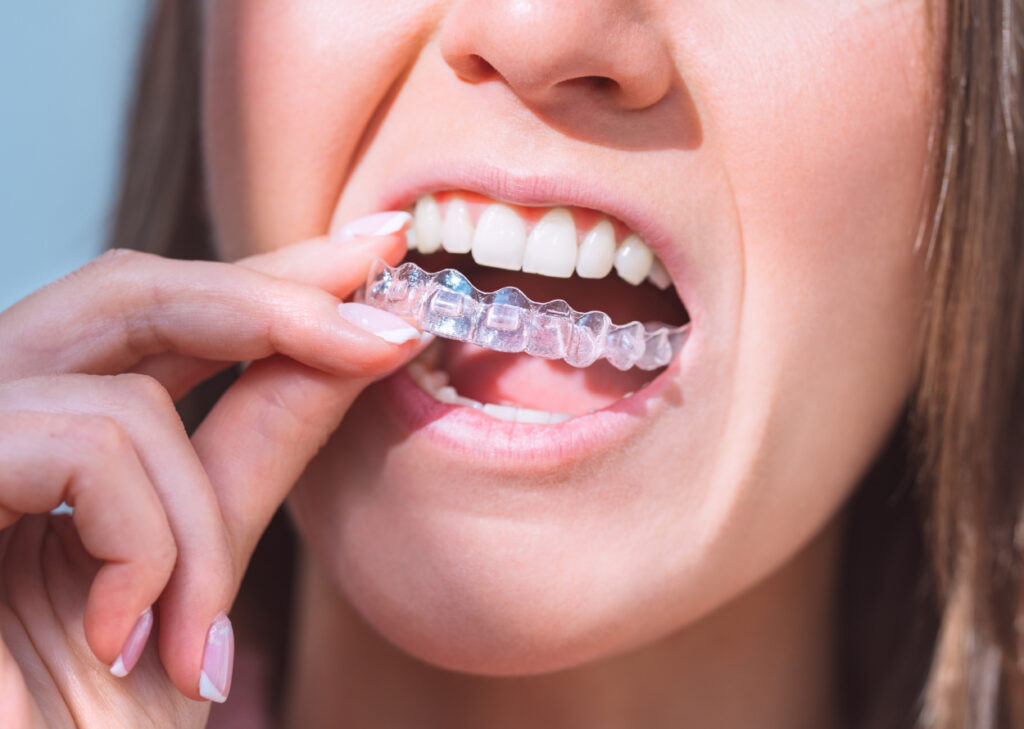

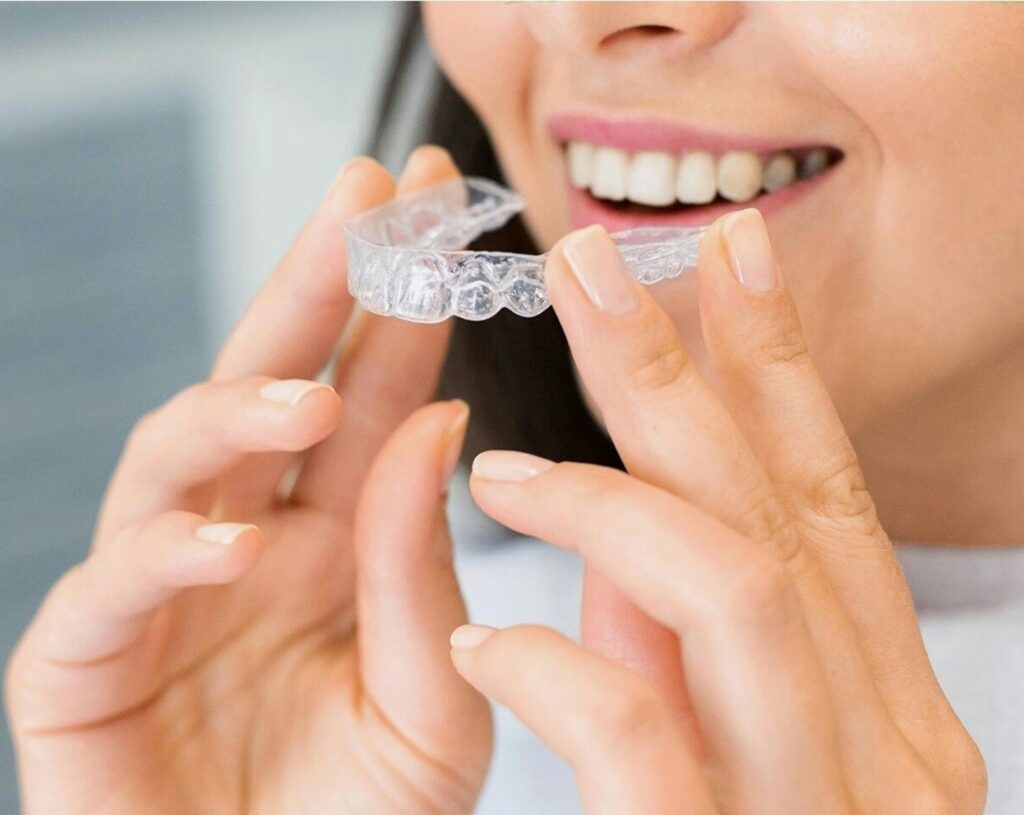
If you are starting Invisalign treatment, one of the first questions that comes up is simple and practical: how many hours a day do these trays actually need to be in your mouth to work?
The short answer is about 20 to 22 hours a day for most patients. The longer answer matters more, because success with Invisalign is less about perfection on one or two days and more about a steady routine over months. In real life, people in Calabasas have school schedules, work lunches, workouts, coffee habits, social events, and the occasional late dinner on the Commons. Those details affect compliance far more than most people expect.
For anyone considering Invisalign Calabasas CA, it helps to understand that aligners are not passive. They only move teeth when they are seated properly and worn long enough each day to maintain consistent pressure. If you wear them 12 hours one day, 18 the next, then leave them out through a weekend event, your teeth do not just pause politely and wait. They begin to drift, the trays stop fitting as intended, and the next set can feel painfully tight or simply not seat all the way.
That is why experienced providers emphasize wear time from the start. The trays are removable, which is a major benefit. It also creates room for user error.
The wear time that usually works
For most patients, the standard recommendation is 20 to 22 hours daily. That leaves roughly 2 to 4 hours total for meals, brushing, flossing, and the normal breaks that come with daily life. It sounds generous at first. Then people realize how quickly those hours disappear.
Breakfast can take 20 minutes, but coffee afterward may stretch another 45 if you like to sip slowly. Lunch becomes an hour if you are meeting someone. Dinner at home is easy enough, but dinner out tends to run long. Add brushing and flossing after each meal, and a patient who feels fairly disciplined can still end up wearing aligners only 17 or 18 hours a day without meaning to.
That gap matters. Teeth respond best to sustained force over time. Invisalign is designed around that principle. If trays are removed too often, the force becomes intermittent, and intermittent force is less predictable. In many cases, that means slower movement. In others, it means tracking problems, where the teeth stop matching the planned position for that stage.
This is one reason orthodontists often tell patients not to think in terms of “Did I wear them most of the day?” but instead, “Did I keep them in unless I was actively eating or cleaning my teeth?” That mindset tends to produce much better results.
Why consistency matters more than heroic effort
A common pattern appears early in treatment. Someone wears their first trays faithfully for a few days, then relaxes. A long lunch here, a movie snack there, trays out while talking with friends, then forgotten on the bathroom counter after brushing. At the end of the week, they try to make up for it by wearing the aligners all weekend.
Unfortunately, Invisalign does not really reward catch-up behavior the way people hope. Teeth do not move on a weekly honor system. They respond to cumulative, regular pressure. Think of it less like cramming for an exam and more like stretching a tight muscle. Short, repeated consistency works better than sporadic intensity.
This is especially important when trays are changed every 7 to 14 days, which is common depending on the treatment plan. Each set assumes the prior one has done its job. If it has not, you start stacking errors. By tray six or eight, the problem becomes obvious. The aligners feel off, attachments do not seem to fit into the tray wells properly, and a provider may need to extend wear time or rescan entirely.
Patients are often surprised by how small lapses add up. Missing two hours a day for ten days means twenty hours of lost treatment time, essentially a full day without active tooth movement.
What “20 to 22 hours” looks like in real life
A realistic routine usually works better than an ambitious one. Patients who succeed with Invisalign often develop a rhythm very quickly. They eat meals, remove the trays only for those meals, clean their teeth, and put the trays back in immediately. They do not leave aligners out while answering emails, driving around town, or watching television after dinner.
Here is a sample day that typically keeps wear time on track:
- Remove aligners for breakfast and coffee, then brush and reinsert within 30 to 40 minutes.
- Take them out for lunch, clean your teeth if possible, or at least rinse before putting them back.
- Remove them for dinner, then brush, floss, and reinsert as soon as the meal is over.
- Keep them in for work, errands, exercise, and sleep.
- If you snack, do it with intention rather than repeatedly grazing all afternoon.
That pattern sounds basic, but it solves most wear-time problems. Grazing is one of the biggest hidden obstacles in Invisalign treatment. If you are the kind of person who likes a protein bar at 10:30, a smoothie at noon, almonds at 2:00, and another coffee at 4:00, your aligners may be spending much more time out than you realize.
For many adults in Calabasas, the best fix is not greater willpower. It is changing meal behavior slightly while you are in treatment. Fewer eating windows usually means better compliance.
The difference between minimum and ideal
Patients often ask whether 20 hours is enough, or if 22 hours is truly necessary. In practice, 20 hours is usually the lower edge of acceptable wear for many cases, while 22 hours tends to be the safer target. The closer your treatment is to simple alignment, the more forgiving it may be. The more your case involves rotations, bite correction, attachments, elastics, or difficult tooth movements, the less room there is for inconsistency.
Some teeth are notoriously stubborn. Canines, for example, often move more slowly than patients expect. Rotated premolars can also resist clean tracking. In these situations, a provider may strongly encourage aiming for the full 22 hours rather than treating 20 as the daily norm.
This is where judgment matters. There is no universal rule that fits every mouth. A teenager with mild crowding and excellent compliance may have an easier course than an adult managing relapse from old orthodontic treatment, especially if several teeth need more controlled movement. So if your provider says your treatment depends on stricter wear, that is not a generic speech. It usually reflects the mechanics of your case.
What happens if you wear them less than recommended
The first sign is often subtle. You notice the aligners feel tighter after they have been out for a while. That can happen even with normal meal breaks, but if the trays feel difficult to seat every time you put them back in, you may not be wearing them enough.
The next sign is visible gapping. The tray may not fit flush against the edges of the teeth, especially near the front. Small air gaps can indicate that the tooth has not moved fully into the aligner stage. Sometimes chewies help seat the trays more completely, but chewies are not a substitute for wear time. They are an aid, not a rescue plan.
Then the downstream effects begin. You may need to stay in a tray longer than scheduled. Attachments may not engage the plastic correctly. Refinements become more likely. Refinements are common even in well-managed cases, but poor compliance can increase the need for them and extend treatment.
It is not unusual for a plan that looked like 9 to 12 months on paper to stretch longer if aligners are worn inconsistently. That is frustrating for patients because the delay often comes from daily habits rather than from anything biologically unusual.
Does sleeping in them count enough?
No. Night-only wear is not enough for active Invisalign treatment unless your provider specifically places you in a retainer phase. This confusion comes up often because retainers are commonly worn at night only after treatment is finished. Invisalign aligners are different. They are active appliances intended to move teeth gradually, and that process generally requires far more than eight hours of overnight wear.
Some patients try a compromise after the first few weeks. They wear the trays all night, part of the workday, then leave them out for long stretches at dinner or while socializing. The result is usually mediocre. They may feel like they are wearing aligners “a lot,” but the biology does not care about general impressions. It responds to hours.
If you want predictable movement, think full-day wear with short, purposeful breaks.
The Calabasas lifestyle factor
The local setting actually shapes compliance more than people think. Patients pursuing Invisalign Calabasas CA often have active schedules. There are school drop-offs, business lunches, social dinners, fitness classes, and outdoor activities where hydration and snacking are part of the routine. None of that prevents successful treatment, but it does require planning.
For example, someone who commutes or spends time driving between appointments may take the trays out for coffee and forget to put them back for another hour. A parent running children from school to sports practice may lose track of wear time after a quick snack in the car. Professionals who attend frequent meetings may hesitate to remove trays publicly for meals and then end up delaying reinsertion.
Small logistical habits solve most of these problems. Carrying a case matters. So does having a travel toothbrush, floss picks, and a backup set of essentials. Patients who rely on memory alone tend to lose time. Patients who build a system do much better.
Eating, coffee, and all the things people try to bend
Most providers recommend removing aligners for anything other than plain water. Hot drinks can warp plastic, and sugary or acidic beverages trapped under trays can raise the risk of staining and decay. That said, many patients quietly bend the rules with iced coffee or clear drinks and then wonder why their aligners discolor or their teeth feel sensitive.
A more honest answer is this: if you want your trays to stay clear and your treatment to stay on schedule, take them out for coffee and meals, then put them back in promptly. If you are a slow sipper, that habit may need to change temporarily. The patient who spends three hours a day nursing beverages often has a harder time with Invisalign than the patient who eats and drinks in more defined windows.
This is not about being rigid for the sake of it. It is about respecting the mechanics. Invisalign is convenient, but it does demand a certain discipline around food and drink.
When your trays feel too tight
Tightness when changing to a new set is normal. Pain that feels extreme, or a tray that simply will not seat, deserves closer attention. In many cases, the issue is under-wear of the previous tray. The teeth did not reach the intended position, so the next aligner is trying to do too much at once.
Before assuming something is wrong with the tray itself, wear the current set exactly as directed, use any recommended chewies, and contact your provider if the fit still seems off. Sometimes the answer is as simple as staying in that tray a few extra days. Other times the provider may want to see you, confirm tracking, and decide whether to hold, move forward, or adjust the plan.
Trying to force the next tray despite poor fit usually creates more trouble. A little patience early can save weeks later.
Situations where wear recommendations may vary
There are exceptions and special instructions, which is why generic internet advice should never replace guidance from your own orthodontic or dental team. Some patients are told to wear trays longer before switching. Others use attachments, elastics, or precision cuts that increase the importance of compliance. People with previous dental work, gum concerns, or more complex bite correction may also receive modified instructions.
These are common situations that can affect your wear plan:
- Attachments or elastics that require especially consistent force
- Refinement stages where a few stubborn teeth need extra time
- Missed days because of illness, travel, or simply falling off schedule
- Trays that are not tracking well and need extended wear
- Provider-specific protocols based on your case complexity
If your provider asks for 22 hours and says not to move to the next set early, that advice should carry more weight than anything a friend experienced in a different case.
A practical way to stay compliant without obsessing
The patients who do best are not always the most perfectionistic. They are the most habitual. They do not negotiate with themselves all day. They have rules. Trays come out for meals. Trays go back in immediately after meals. The case travels with them. If they remove aligners, they know exactly where they are going.
One patient once described the turning point well: the aligners stopped feeling like an optional accessory and started feeling like contact lenses. You would not remove contact lenses for long stretches at random and still expect them to do their job. Invisalign works the same way.
A simple timer on your phone can help during the first month, especially if you are still adjusting. Some patients also benefit from apps that track daily wear, but the app is less important than the behavior. If you know your weak point is late-night snacking or drawn-out coffee breaks, target that pattern directly rather than trying to be vaguely more disciplined overall.
How to know if you are doing it right
If your aligners fit snugly but seat fully, if tray changes feel manageable rather than extreme, and if your provider says you are tracking well, your wear habits are probably working. You should also notice that the trays become easier to insert and remove with practice, and that they feel like part of your routine rather than a constant disruption.
Signs that you may need to tighten things up include frequent soreness after reinserting trays, obvious gaps between the plastic and teeth, needing repeated extensions before changing trays, or hearing from your provider that tracking is off. None of these automatically means treatment has failed. They usually mean it is time to get more consistent before the problem grows.
The answer most patients need to hear
So how often should you wear Invisalign aligners in Calabasas CA? For most people, the right answer is nearly all day, every day, usually 20 to 22 hours. If you want the kind of progress shown in the treatment Invisalign Calabasas CA plan, aim closer to 22 than 20 whenever possible.
That recommendation is not arbitrary. It reflects how teeth move, how aligners are Invisalign Calabasas CA engineered, and how easily “pretty good” compliance turns into slower treatment. Invisalign offers flexibility, but the price of that flexibility is responsibility.
Patients who treat wear time casually often end up frustrated. Patients who build strong habits early usually settle into treatment faster than expected. They eat, brush, reinsert, and move on with their day. That steady rhythm is what gets results.
If you are considering Invisalign Calabasas CA, the best next step is not just asking whether you are a candidate. Ask how demanding your specific tooth movements will be, how many hours your provider wants you in the trays, what to do if a tray is not fitting well, and how to manage the lifestyle details that tend to knock people off schedule. Those conversations are where good treatment plans become successful real-world outcomes.
Oaks Dental
5000 Parkway Calabasas, Suite 308
Calabasas, CA 91302
(818) 643-6521
FAQ About Invisalign Calabasas CA
How many hours a day should I wear Invisalign?
Clear aligners are typically worn for 20 to 22 hours a day. Follow your dentist’s instructions for your specific treatment plan.
What age is best for Invisalign?
Many teens and adults can use clear aligners. A dentist can assess dental development, oral health, and the type of tooth movement needed.
What affects the cost of Invisalign in California?
Cost depends on the complexity and length of treatment and what the quoted plan includes. Ask for an itemized estimate and check any orthodontic coverage with your insurer.