24 November 2026
Invisalign Calabasas CA for Minor Cosmetic Corrections
Presented by @messiahnorl151
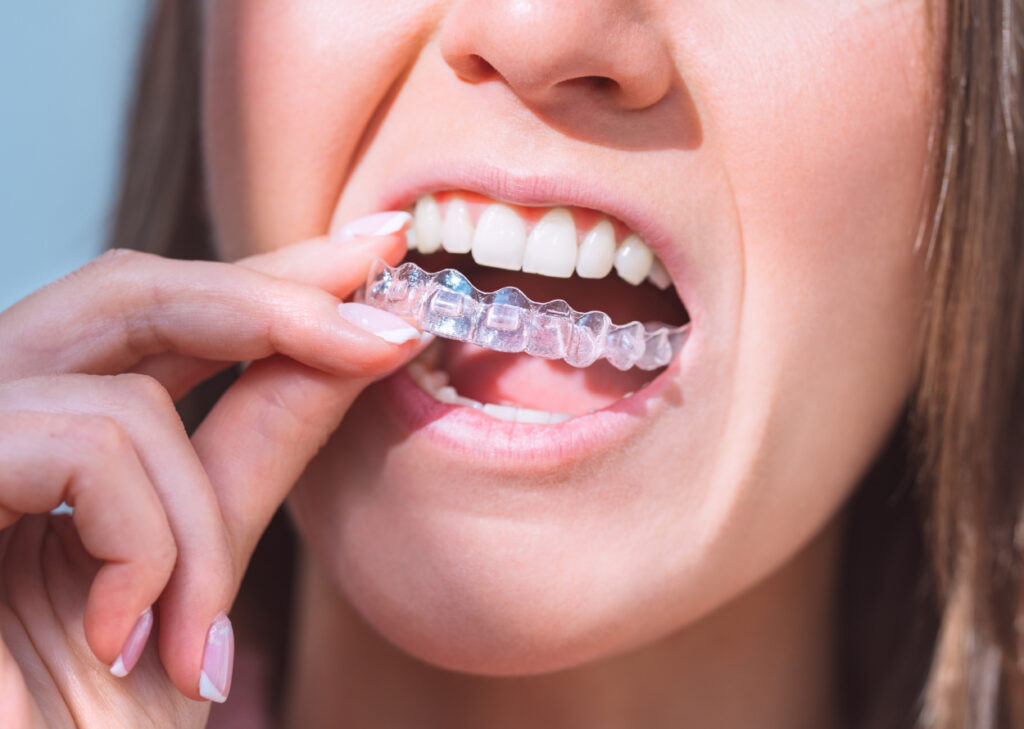
A small change in tooth position can make a surprising difference in how a smile looks. A slight overlap in the front teeth, a narrow gap that catches the eye in photos, or a tooth that turned a bit over time may not cause major bite problems, yet it can still bother someone every day. That is where Invisalign often fits best. For patients seeking subtle improvement rather than a full orthodontic overhaul, clear aligners can be a practical and discreet option.
When people search for Invisalign Calabasas CA, many are not dealing with severe crowding or a complicated bite. They are often adults with one or two cosmetic issues they have noticed for years. Some had braces as teenagers and stopped wearing retainers. Some never needed orthodontics medically, but want a cleaner, more even look before a wedding, a job transition, or simply because they are tired of seeing the same small flaw in the mirror. Minor cosmetic corrections are common, and in the right case, Invisalign can handle them very well.
The key phrase there is “in the right case.” Clear aligners are versatile, but they are not magic. Good treatment planning matters. So does patient compliance. Minor corrections can move quickly, but quick does not mean casual. If you want a result that looks Invisalign Calabasas CA natural and stays stable, it helps to understand what Invisalign can realistically do, what it cannot do, and what the process tends to feel like in real life.
What counts as a minor cosmetic correction
Most minor cosmetic Invisalign cases involve the front teeth, especially the upper front six to eight teeth that show when you smile. These are the issues patients usually notice first and ask about most often.
A common example is mild crowding. One lateral incisor might sit slightly behind the others, or a lower front tooth may have rotated enough to create a jagged appearance. Small spacing issues are also typical. A little gap between the front teeth, a slight open space after dental work, or tiny black triangles near the gumline may be part of the conversation. In other cases, the concern is a single tooth that drifted after braces years ago.
These are cosmetic problems, but they still involve biology and bite mechanics. Even a small movement can affect how upper and lower teeth meet. That is why a proper exam matters. A case that seems simple in the mirror may hide a deeper issue, such as nighttime grinding, gum recession, or a bite discrepancy that needs a more careful approach.
In many offices, the best Invisalign outcomes for minor corrections come from patients who want improvement, not perfection. That distinction matters. Teeth are not tiles on a backsplash. They live in bone, move through tissue, and must function together. A good cosmetic result often means better symmetry, less crowding, and a more harmonious smile, not necessarily mathematically identical tooth positions.
Why adults in Calabasas often choose clear aligners
Appearance tends to drive the decision. Adults usually want straighter teeth without the look of braces, especially if they work in client-facing roles, speak on camera, attend events, or simply prefer a low-profile treatment. That makes sense in a place like Calabasas, where people are often balancing professional demands with social visibility.
Convenience also plays a large role. Aligners are removable, which makes meals easier and oral hygiene much simpler than fixed braces. For adults who already invest in whitening, veneers, gum care, or other cosmetic dentistry, Invisalign often feels like a natural extension of that routine. The treatment can fit into a full smile refresh, or it can stand alone as a modest correction.
There is also the psychological side. People often delay minor cosmetic treatment because their issue does not seem “serious enough” for braces. Then years pass. A small correction becomes something they edit around in every photo. Clear aligners lower the barrier. The process feels less disruptive, so patients who would never commit to brackets may finally move forward.
That said, the ease of starting treatment can create unrealistic expectations. Minor does not mean optional compliance. If a patient wears aligners inconsistently, even a very simple case can stall.
The kinds of issues Invisalign handles well
For mild cosmetic concerns, Invisalign is often strong at controlled, visible changes in the front teeth. Slight rotations, small spacing, modest crowding, and relapse after past orthodontics are common examples. If the bite is basically healthy and the teeth only need measured adjustments, treatment may be relatively straightforward.
The best candidates usually share a few traits:
- They have mild to moderate movement needs, not severe bite correction.
- Their gums and bone support are healthy enough for safe tooth movement.
- They can wear aligners the recommended 20 to 22 hours per day.
- They understand that retainers are part of the long-term commitment.
- They want realistic cosmetic improvement, not absolute perfection.
That final point is worth lingering on. In practice, some of the happiest Invisalign patients are those who began with one or two very specific concerns. They wanted a rotated tooth straightened, a front gap reduced, or a mild overlap cleaned up. They had a clear reason for treatment, and the result addressed that reason directly. By contrast, patients who arrive with vague dissatisfaction and no defined goal can be harder to satisfy, even if the technical result is good.
When a “small fix” is not actually small
This is one of the most common misunderstandings in cosmetic orthodontics. A patient may point to one crooked front tooth and ask to move only that tooth. Sometimes that is possible in limited treatment. Often it is not.
Teeth do not move in isolation very well. To create space for one crowded tooth, another tooth may need to shift. To center a front gap attractively, the midline may need adjustment. To align upper front teeth, lower tooth positions or bite contact may need attention too. The visible problem may be small, but the pathway to fixing it can involve several teeth.
There are also cases where the front teeth look slightly uneven because of wear, old bonding, gum asymmetry, or tooth shape, not tooth position alone. In those situations, Invisalign may be only part of the answer. Sometimes reshaping, bonding, whitening, or veneer work gives a better cosmetic return than aligners by themselves.
This is where a careful consultation becomes valuable. A thoughtful dentist or orthodontic provider should explain not just whether Invisalign can move the teeth, but whether moving the teeth is the smartest way to achieve the look the patient wants.
What the consultation should cover
A proper Invisalign consultation for minor cosmetic corrections should feel more like treatment planning than sales. The provider needs to examine the bite, assess gum health, look at restorations, and understand what specifically bothers the patient. Photos and digital scans often help because tiny asymmetries become easier to discuss when you can see them clearly on screen.
The conversation should also separate “possible” from “advisable.” For example, closing a small gap may be technically easy, but if the gap exists because of tongue pressure or a frenum attachment, relapse risk needs to be discussed. Likewise, correcting slight crowding may improve appearance, but if a patient grinds heavily at night, retention becomes especially important.
In well-run cases, providers usually discuss timing honestly. Minor corrections may finish in a few months, but there is no universal timeline. Treatment length depends on biology, movement complexity, refinement needs, and compliance. If someone promises a very fast result before taking records and reviewing the bite, that is a reason to slow down and ask more questions.
What treatment tends to feel like day to day
For many adults, the first surprise is not pain, but pressure. New aligners often create a firm, tight sensation for a day or two. That feeling usually means the tray is engaging the teeth as intended. It is rarely dramatic, but it can be noticeable, especially when removing the aligners for meals.
Speech changes are usually mild and temporary. Some patients notice a slight lisp during the first few days, especially with certain sounds. Most adapt quickly. The larger challenge is habit change. If you snack often, sip sweetened drinks throughout the day, or dislike planning meals, aligner treatment can feel more demanding than expected.
The patients who do best tend to develop a rhythm. They remove aligners for meals, brush before putting them back in, and store them properly rather than wrapping them in napkins and losing them at lunch. That sounds basic, but consistency is what separates smooth treatment from frustrating treatment.
There is also a visual upside that patients appreciate almost immediately. Because the trays are clear and low-profile, people can go through workdays, meetings, and social events without drawing attention to orthodontic treatment. For many adults, that alone makes the process feel manageable.
Cosmetic improvement versus bite perfection
This is where professional judgment matters. A patient may only care about how the front teeth look, but providers still have to protect function. If improving appearance creates unstable bite contacts or pushes the teeth into a compromised position, the long-term result may disappoint.
Sometimes the best plan for a minor cosmetic concern is a limited Invisalign case that focuses on the visible teeth while maintaining a healthy bite. Other times, a broader plan is the better choice, even if the patient originally wanted “just a quick fix.” The reason is simple. Cosmetic alignment that ignores functional balance can relapse faster, chip dental work, or create uneven wear.
Experienced clinicians often have to navigate this trade-off carefully. The right answer is not always the smallest plan or the largest plan. It is the plan that gives a noticeable esthetic improvement while preserving health and stability.
Attachments, refinements, and the details patients do not expect
Many people imagine Invisalign as a set of perfectly invisible trays with no extras. In reality, even minor cosmetic cases sometimes need small tooth-colored attachments. These are bonded shapes placed on certain teeth to help the aligners grip and direct movement more precisely. They are usually subtle, but they are not invisible up close.
Refinements are another common part of treatment. A refinement means taking a new scan and ordering additional aligners after the initial series, often because a tooth did not track exactly as planned or because the provider wants to polish the final result. This is normal. It does not mean the case failed. Teeth move through living tissue, not through software.
Patients who understand this from the beginning tend to have a better experience. Digital treatment simulation is useful, but it is still a simulation. The actual process may require small adjustments along the way.
How long minor cosmetic Invisalign usually takes
For true minor corrections, treatment may take only several months. In some cases, it can be quicker. In others, it stretches longer because of refinements, missed wear time, or stubborn rotations. Rotated teeth, in particular, often seem simple visually but can be more resistant biologically than patients expect.
A realistic discussion usually includes a range rather than a guarantee. If a provider says your case looks minor, that is encouraging, but it is still worth asking what factors might extend treatment. Attachments, elastic wear in some situations, travel schedule, and compliance all matter.
One pattern that shows up again and again is this: the person who wears aligners faithfully often finishes close to the projected timeline, while the person who leaves them out for long dinners, weekend events, and inconsistent days ends up needing more trays. Minor cases reward discipline.
Cost, value, and what patients are really paying for
When people look into Invisalign Calabasas CA, cost naturally comes up early. Fees vary based on case complexity, treatment length, provider experience, and what is included, such as retainers and refinements. A limited cosmetic case usually costs less than comprehensive orthodontic treatment, but the cheapest quote is not automatically the best value.
What patients are paying for is not just plastic trays. They are paying for diagnosis, planning, oversight, and the judgment to know when a movement is wise, when a refinement is needed, and when another cosmetic option may serve them better. For a minor correction, the difference between a decent result and a polished result often comes down to those details.
It is also worth asking what happens after treatment. Retention matters. If the fee seems attractive but excludes retainers or follow-up, the overall value may be less compelling.
Retainers are not optional
This is the part many adults underestimate, especially those fixing mild relapse from not wearing old retainers years ago. Teeth have memory. After any orthodontic movement, they tend to drift unless they are retained properly.
For most patients, that means clear retainers worn consistently at first and then on a long-term maintenance schedule directed by the provider. If someone is unwilling to wear retainers, they should be cautious about starting cosmetic aligner treatment at all. It makes little sense to invest time and money straightening teeth, only to watch them slide back.
There is a practical lesson here. Minor corrections are often appealing because they seem simple, but their simplicity can create complacency. The treatment is not over when the last tray is finished. It is over when the result is stabilized.
Cases where another option may be better
Invisalign is strong, but it is not always the ideal tool. If a tooth is visibly misshapen rather than misaligned, bonding or veneers may solve the cosmetic concern more directly. If spacing is caused by tooth size discrepancies, restorative work might be part of the better plan. If gum levels are uneven, soft tissue treatment could matter more than orthodontic movement.
There are also situations where traditional braces still have advantages, especially when precise root control or complex movements are needed. Most patients seeking minor cosmetic corrections do not fall into that category, but some do. A trustworthy provider should say so plainly.
Sometimes the best answer is combined treatment. A short course of Invisalign may straighten the teeth, followed by edge bonding to refine shape and symmetry. That combination can produce a very natural result because the teeth end up in better positions before any cosmetic material is added.
Questions worth asking before you start
A smart consultation is a two-way conversation. Patients do not need to know orthodontics, but they should feel comfortable asking specific questions that reveal how thoughtfully the case is being approached.
- Is my concern truly cosmetic, or is there a bite issue affecting the plan?
- Am I a good candidate for limited treatment, or would comprehensive treatment be wiser?
- Will I likely need attachments or refinements?
- What is included in the fee, especially retainers and follow-up?
- If Invisalign is not the best option, what alternative would you recommend?
Those questions often lead to a more useful discussion than simply asking, “How much does it cost?” or “How fast can it be done?” Speed and price matter, but they should not drive the entire decision.
What a successful result actually looks like
A successful minor cosmetic Invisalign case does not always look dramatic in before-and-after photos. Sometimes the change is subtle enough that other people cannot immediately name it. They just notice that the smile looks cleaner, more balanced, and more relaxed.
That is often exactly the point. Good cosmetic dentistry and orthodontics rarely scream for attention. They remove distractions. A slightly twisted tooth no longer catches the light awkwardly. A small gap no longer pulls the eye. The smile looks like itself, only better organized.
For adults in particular, that kind of result tends to age well. It does not look overdone. It aligns with the way many people want to improve their appearance now, with precision rather than spectacle.
If you are considering Invisalign Calabasas CA for minor cosmetic corrections, the smartest approach is to focus less on whether the issue seems small and more on whether the plan is sound. Small changes can be the most satisfying when they are chosen carefully, executed thoughtfully, and maintained properly. That is where clear aligners can shine, not as a shortcut, but as a refined tool for the right kind of smile improvement.
Oaks Dental
5000 Parkway Calabasas, Suite 308
Calabasas, CA 91302
(818) 643-6521
FAQ About Invisalign Calabasas CA
How many hours a day should I wear Invisalign?
Clear aligners are typically worn for 20 to 22 hours a day. Follow your dentist’s instructions for your specific treatment plan.
What age is best for Invisalign?
Many teens and adults can use clear aligners. A dentist can assess dental development, oral health, and the type of tooth movement needed.
What affects the cost of Invisalign in California?
Cost depends on the complexity and length of treatment and what the quoted plan includes. Ask for an itemized estimate and check any orthodontic coverage with your insurer.